

TL;DR:
- Thoughtful design connects personal values and ethics to meaningful jewelry creation.
- Ethical material choices and certifications ensure responsible sourcing and sustainability.
- Customization and technology enable personalized, ethically-made rings that tell your story.
Most people shopping for an engagement ring focus almost entirely on the gemstone or the price tag. That instinct is understandable, but it misses something fundamental. Design is the force that connects your values to your ring, your story to your stone, and your ethics to every material choice made along the way. Whether you care deeply about sustainability, want a piece that feels unmistakably yours, or both, the design process is where all of that becomes real. This guide unpacks how thoughtful design creates jewelry that is not just beautiful but genuinely meaningful and responsibly made.
Table of Contents
- Why design matters: Setting the foundations of fine jewelry
- How ethical and sustainable design transforms your jewelry choices
- Creative design for personal stories: Customization beyond tradition
- Choosing a jeweler: What to ask about design process and ethics
- Why design is the true heart of ethical fine jewelry
- Create your own ethical, meaningful jewelry with expert design
- Frequently asked questions
Key Takeaways
| Point | Details |
|---|---|
| Design drives ethics | The way your piece is designed shapes its sustainability and traceability. |
| Customization adds value | Personalized design lets your story and values shine through unique jewelry. |
| Technology empowers choice | Modern tools enable precise, ethical, and custom creation like never before. |
| Ask the right questions | Evaluating a jeweler’s process ensures your investment aligns with your ethics. |
Why design matters: Setting the foundations of fine jewelry
When most people think about fine jewelry, they picture a sparkling stone or a precious metal. But design is the architecture that holds everything together. It determines how a ring sits on your finger, how light moves through a stone, and how your values are embedded into every detail of the finished piece. Without intentional design, even the most ethically sourced materials can result in something generic and forgettable.
Modern fine jewelry design does something remarkable. It integrates personal storytelling with ethical decision-making in a way that was nearly impossible just a decade ago. Today, a couple can communicate their values through design choices: the shape of the band, the setting style, the choice between a lab grown diamond and a mined stone, and even the finish of the metal. Every one of those decisions is a design decision.
Here is what thoughtful jewelry design actually accomplishes:
- Reflects your identity through shape, stone selection, and metal choice
- Embeds your ethics by guiding material sourcing decisions from the very first sketch
- Ensures traceability because a well-designed piece starts with a documented supply chain
- Enables true customization so your ring tells your story, not a catalog’s version of it
- Supports sustainability by incorporating recycled metals and low-impact stones from the design phase
Technology has also transformed what is possible. Computer-aided design (CAD) and 3D printing allow jewelers to achieve extraordinary precision while honoring ethical commitments. As noted in guidance for jewelry design professionals, sustainability is non-negotiable in modern design, and tools like CAD enhance custom precision without compromising ethics.
“The most meaningful jewelry is not the most expensive. It is the most intentional. Design is where intention lives.”
This perspective matters because statement jewelry design is shifting from pure aesthetics toward pieces that communicate values. Couples today want rings that say something about who they are and what they believe, not just how much was spent.
How ethical and sustainable design transforms your jewelry choices
Understanding why design matters leads directly to a crucial question: how do values like ethics and sustainability shape your jewelry options through design? The answer lies in the materials you choose and the transparency of the process behind them.
Sustainable jewelry design integrates recycled gold, lab-grown and conflict-free diamonds, and Fairmined metals, reducing environmental impact while enabling unique, traceable pieces. That is not just a feel-good statement. It is a practical framework that starts at the design table.
Here is how three major material paths compare:
| Material type | Environmental impact | Traceability | Cost range |
|---|---|---|---|
| Mined diamonds | High (land disruption, water use) | Often limited | Higher |
| Lab-grown diamonds | Significantly lower | High | Lower to mid |
| Recycled metals | Minimal new extraction | Moderate to high | Competitive |
Choosing lab grown diamond benefits goes beyond cost savings. These stones are chemically and visually identical to mined diamonds, and their production avoids the land and community disruption associated with traditional mining. Pair that with recycled gold or platinum, and your ring’s entire footprint shrinks dramatically.
Certifications are the paper trail that proves your design choices are backed by real accountability. Look for the Responsible Jewellery Council (RJC) certification and the SCS Global Services standard. These verify that your jeweler’s sourcing practices meet rigorous ethical benchmarks. Choosing conflict-free engagement rings is not just about avoiding harm. It is about actively supporting supply chains that protect workers and communities.
Pro Tip: Before you fall in love with a design, ask your jeweler for full written disclosure on where every material originates. A trustworthy jeweler will provide this without hesitation. If they cannot, that is a red flag worth taking seriously.
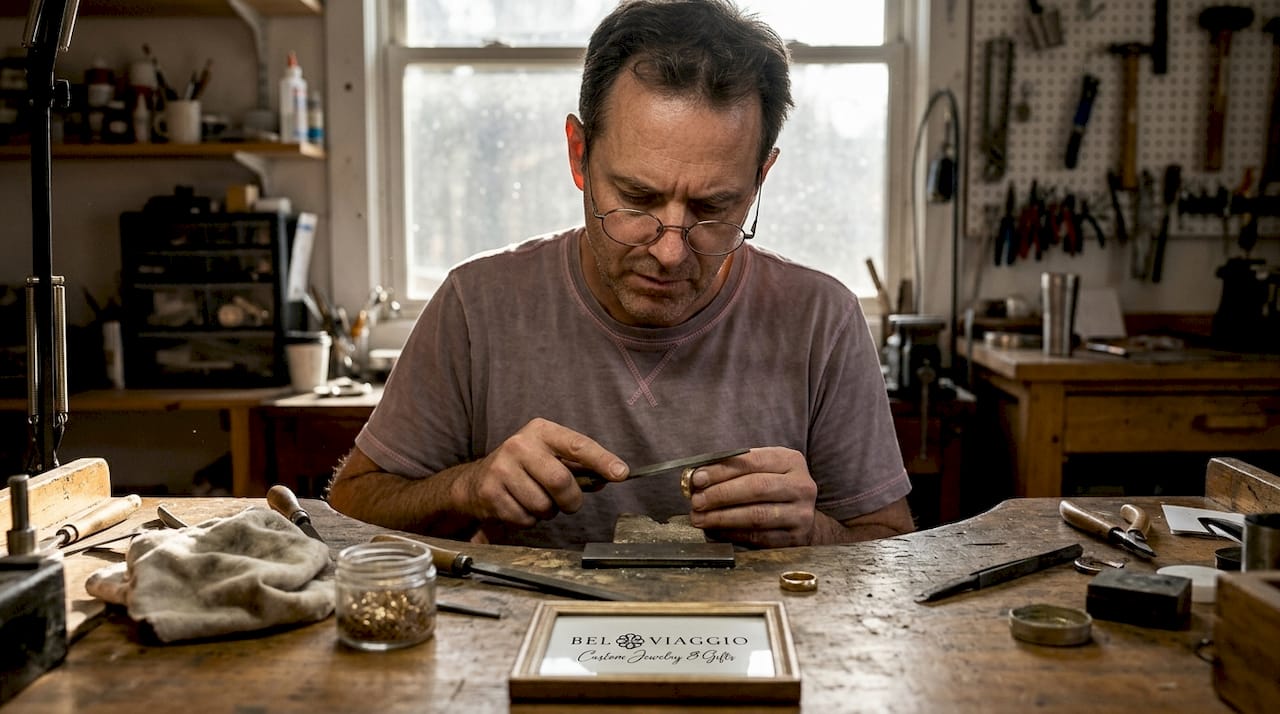
Handcrafted pieces also offer a sustainability edge. Handcrafted jewelry tends to produce less waste than mass-produced alternatives because artisans work with precision and intention rather than volume. That means fewer offcuts, less energy, and a more deliberate use of materials from start to finish.
Creative design for personal stories: Customization beyond tradition
Now that we have seen how ethics shape design, let’s examine how creativity and technology unlock true personalization. More couples than ever are stepping away from off-the-shelf rings because they want something that reflects their actual relationship, not a style trend.
Customization does not have to mean starting from scratch. There is a spectrum:
| Design type | Flexibility | Sustainability control | Typical cost |
|---|---|---|---|
| Ready-made | Low | Limited | Lower |
| Semi-custom | Moderate | Moderate | Mid-range |
| Fully custom | High | Full | Variable |
The fully custom path gives you the most control over both design and ethics. You choose the stone, the metal, the setting, the finish, and even the engraving. Every choice is yours, and every choice can be an ethical one.
CAD and 3D printing have made this process more accessible and accurate than ever. Custom design precision through technology means you can see a digital rendering of your ring before a single gram of metal is cast. That eliminates guesswork and reduces material waste, both of which matter when you are trying to make responsible choices.
Here is how the customization journey typically unfolds:
- Share your vision by gathering inspiration images, describing your lifestyle, and noting what matters most to you
- Choose your stone by exploring options like lab grown diamond facts to understand quality, origin, and value
- Select your metal based on durability, color preference, and sustainability credentials
- Review your CAD rendering and request adjustments until the design feels exactly right
- Approve and cast once you are confident every detail reflects your story and your values
The result is a ring that fits your finger and your life. Thoughtful design, as explored in guides on elevating everyday style, shows that the most wearable and meaningful pieces are those built around the person, not the trend.
Choosing a jeweler: What to ask about design process and ethics
After learning what design can accomplish, the final practical step is evaluating and choosing a jeweler who matches your values. Not every jeweler who claims to be ethical can back that up with documentation, and not every custom jeweler offers true flexibility.
Here are the most important questions to ask before you commit:
- Where do your diamonds and gemstones come from? A credible jeweler will name their suppliers and explain their vetting process.
- Do you use recycled metals? Ask for the percentage of recycled content in your chosen metal.
- What certifications do you hold? Look specifically for RJC or SCS certification as evidence of verified ethical practices.
- Can I see a CAD rendering before production begins? This protects you and reduces waste.
- What is your revision policy? A confident, experienced jeweler will allow reasonable design adjustments.
- Can you explain your full supply chain? Traceability should go all the way back to the mine or lab.
Red flags to watch for include vague answers about sourcing, no third-party certifications, and pressure to decide quickly without seeing a design preview. Trustworthy jewelers welcome these questions because transparency is part of their brand.
The guide to lab grown diamonds is a great resource to review before your first jeweler conversation. Walking in informed changes the dynamic entirely. You will ask better questions and spot evasive answers more easily.
Pro Tip: Always verify third-party ethics certifications like RJC or SCS independently before committing to a purchase. A quick search on the certifying body’s website will confirm whether your jeweler’s credentials are current and legitimate.
Sustainability credentials in fashion and fine jewelry are evolving rapidly, which means the bar for what counts as ethical is rising. Choosing a jeweler who actively pursues updated certifications signals that their commitment is ongoing, not just a marketing claim.
Why design is the true heart of ethical fine jewelry
Here is an uncomfortable truth most jewelry conversations skip: the debate over ethical jewelry gets stuck on materials when it should be focused on design. People agonize over mined versus lab-grown, gold versus platinum, certified versus uncertified. Those choices matter. But design is what determines whether those materials are used responsibly, beautifully, and meaningfully.
Design is where sustainability, beauty, and personal story actually converge. A recycled gold ring with a poorly conceived setting is still a missed opportunity. A lab-grown diamond placed in a generic mounting tells no story. But a ring designed with intention, where every curve and proportion reflects the wearer’s life and values, that is something else entirely.
We have seen couples invest in ethically sourced materials and then hand them to a jeweler who treats design as an afterthought. The result is always the same: a ring that checks the ethical boxes but fails to move anyone. The top benefits of lab grown diamonds are real, but they are amplified tenfold when paired with design that honors the stone’s potential.
The most ethical ring you can wear is one you will never want to take off. That kind of attachment comes from design, not just materials.
Create your own ethical, meaningful jewelry with expert design
If this article has sparked something in you, the next step is finding a jeweler who takes design as seriously as you do.

At Bel Viaggio Designs, every piece starts with your story. From custom rings built around your vision to striking options like a black diamond engagement ring or an aquamarine engagement ring, the focus is always on ethical sourcing, handcrafted quality, and design that reflects who you are. Every material is traceable, every design is intentional, and every finished piece is made to be worn and loved for a lifetime. Start your design journey with a team that treats ethics and artistry as inseparable.
Frequently asked questions
What does ethical design mean in fine jewelry?
Ethical design means using recycled gold, lab-grown diamonds, and Fairmined metals alongside full supply chain transparency, so every material choice is traceable and responsibly sourced.
How do I verify if my jeweler uses sustainable practices?
Look for recognized certifications like RJC or SCS and ask your jeweler for documented supply chain details rather than accepting general sustainability claims.
Are lab-grown diamonds as valuable as mined diamonds?
Lab-grown diamonds are chemically identical to mined diamonds in quality and appearance, and they carry a significantly lower environmental cost, making them a strong choice for conscious couples.
Does custom jewelry design cost more than traditional pieces?
Custom-designed jewelry is often more competitively priced than you might expect, especially when using lab-grown stones and recycled metals, and the added cost of true personalization is usually modest relative to the result.
What questions should I ask when seeking a custom engagement ring?
Ask specifically about material sourcing, third-party ethics certifications, the use of CAD technology in the design process, and whether the jeweler can provide full supply chain documentation before you commit.
Recommended
- Why choose fine jewelry online: value, ethics, and design – Bel Viaggio Designs, LLC
- Personalized ethical rings: 40% savings, unique designs – Bel Viaggio Designs, LLC
- Custom jewelry ideas for ethical engagement rings 2026 – Bel Viaggio Designs, LLC
- Custom jewelry ideas for ethical engagement rings 2026 – Bel Viaggio Designs, LLC
- Cozee Bay - Why choose handcrafted over mass-produced for sustainable style
- What is statement jewelry? Luxury styling guide 2026 – MaraFormigone