

TL;DR:
- Choosing an engagement ring in 2026 involves considering modern elements like elongated and vintage-inspired stone cuts, minimalist settings, and textured bands. Personalization through hidden accents, mixed gems, and ethical sourcing is essential for creating a unique and current design. The trend emphasizes intentionality, transparency, and design that reflects individual style rather than simply following fashion.
Choosing an engagement ring today means navigating more options than any previous generation has faced. The modern engagement ring elements that couples are gravitating toward in 2026 go far beyond diamond shape preferences. Stone cuts, setting styles, band profiles, ethical sourcing, and deep personalization all factor into what makes a ring feel genuinely current. This guide breaks down every major element worth knowing so you can walk into the process confident, informed, and clear on what you actually want.
Table of Contents
- Key takeaways
- Modern engagement ring elements: what to evaluate first
- 1. Elongated stone shapes and east-west orientations
- 2. Vintage-inspired cuts with a modern proportion
- 3. Color trends: warm tones and stones with character
- 4. Contemporary four-prong settings
- 5. Chunky, sculpted, and textured bands
- 6. Bezel and hybrid collet settings
- 7. Mixed metals and geometric negative space
- 8. Ethical sourcing beyond the Kimberley Process
- 9. Lab-grown diamonds and the new GIA grading system
- 10. Personalization through hidden accents and mixed gems
- Comparing modern vs. traditional ring elements
- My take on what modern actually means
- Find your modern ring at Belviaggiodesigns
- FAQ
Key takeaways
| Point | Details |
|---|---|
| Stone shape drives the look | Elongated and vintage-inspired cuts like oval, marquise, and old mine are defining modern style right now. |
| Settings affect both style and durability | Bezel, collet, and four-prong settings offer cleaner aesthetics with better stone protection than traditional six-prong styles. |
| Ethical sourcing requires due diligence | Kimberley Process certification does not guarantee ethical sourcing at the retail stage. Lab-grown diamonds and traceable gems fill the gap. |
| Personalization is the new luxury | Hidden colored stones, mixed gems, and custom layouts let couples tell a personal story without sacrificing a modern silhouette. |
| GIA grading for lab-grown diamonds changed | The new Premium/Standard framework replaced the 4Cs for lab-grown stones, so older and newer certificates are not directly comparable. |
Modern engagement ring elements: what to evaluate first
Before you fall for a specific stone or setting, it helps to know the criteria that separate a ring that feels genuinely modern from one that just looks fashionable for a season.
Here is what to assess from the start:
- Center stone shape and cut. Contemporary engagement ring features often center on stones with personality rather than perfection. Elongated shapes, asymmetric silhouettes, and vintage-inspired cuts all signal a modern sensibility.
- Setting style. The way metal holds the stone changes the ring’s entire visual weight. Modern ring design elements favor settings that minimize visible metal and let the stone lead.
- Band profile. Thin, delicate bands are giving way to sculptural, chunky, and textured profiles that can stand alone as design statements.
- Ethical sourcing depth. Beyond certifications, modern buyers want supply chain transparency. Where did the stone come from, and who handled it?
- Customization potential. Hidden accents, mixed metals, and personalized stone choices are how couples make a ring irreplaceable rather than interchangeable.
Pro Tip: Before you browse specific styles, write down three words that describe how you want the ring to feel on your hand every day. That instinct will filter out 80% of the options faster than any trend list.
1. Elongated stone shapes and east-west orientations
Elongated shapes like ovals, marquise, and emerald cuts are having a sustained moment in 2026, and the appeal makes practical sense. These cuts visually lengthen the finger, tend to face up larger than their carat weight suggests, and carry a graphic quality that looks intentional on the hand.
East-west orientation takes that further. Turning a marquise or oval stone 90 degrees so it runs horizontally across the finger shifts the ring from classic to architectural. It reads as a design choice rather than a default setting, which is exactly what trendy engagement ring ideas in 2026 are aiming for.
The emerald cut deserves particular attention here. Its step-cut facets prioritize clarity and depth over sparkle, giving the stone a quieter, more sophisticated presence than a round brilliant. For someone who wants presence without flash, it is a strong choice.
2. Vintage-inspired cuts with a modern proportion
Not every couple wants a contemporary silhouette. Some of the most compelling vintage-inspired ring trends involve heritage cuts placed in modern proportions. Think old mine cuts, rose cuts, and old European rounds set in streamlined settings rather than ornate antique mountings.
The key distinction is proportion. A rose cut in a slim, brushed platinum bezel reads as modern. The same stone dropped into a heavy, intricate Victorian-style mount reads as costume. Using milgrain as a subtle edge detail rather than covering every surface with it keeps the vintage cue without overwhelming the overall design.
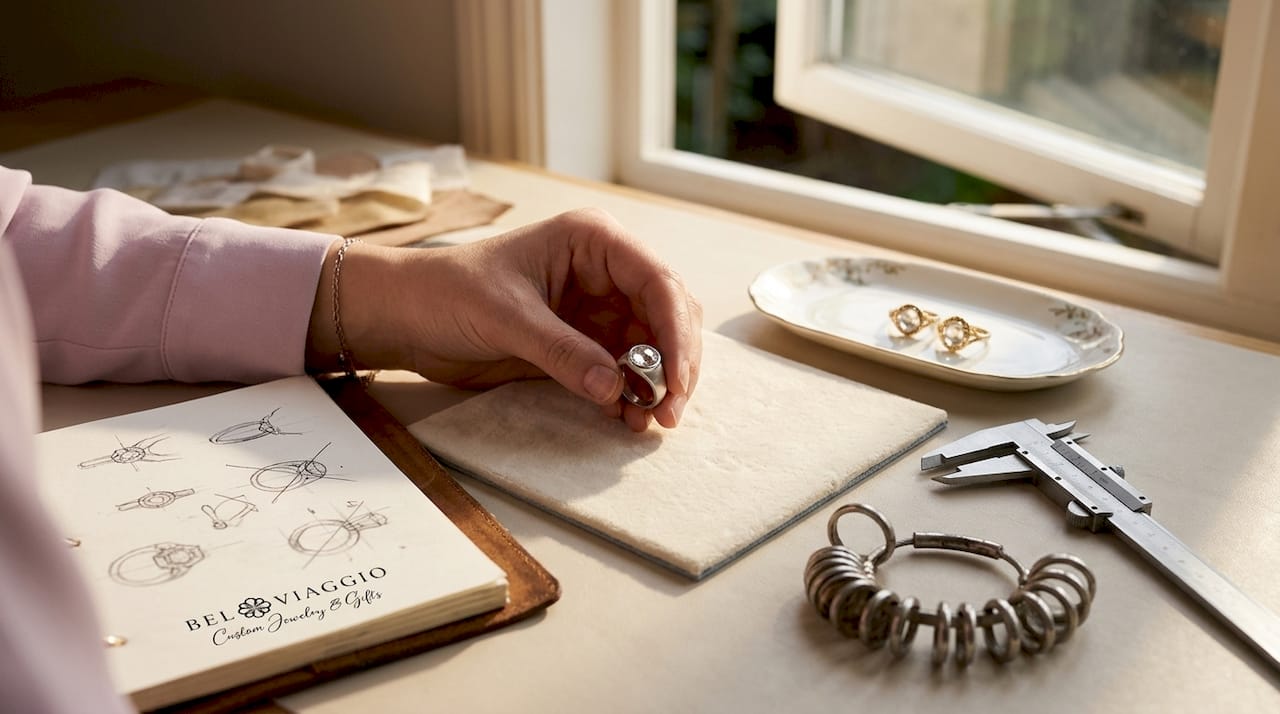
These cuts also tend to sit lower on the finger because of their dome shape, which improves wearability for people with active hands.
3. Color trends: warm tones and stones with character
The obsession with colorless diamonds is shifting. Designers are seeing growing interest in warm champagne, cognac, yellow, and brown tones as alternatives to bright white stones. Part of this is aesthetic. Warm tones feel organic and grounded in a way that high-color white diamonds do not.
There is also a practical undercurrent. As lab-grown diamonds have made colorless stones more accessible, some buyers are actively seeking the warm, natural tones that synthetic production has not yet mastered at scale. A naturally warm diamond or a deep golden sapphire carries a distinctiveness that a colorless lab stone cannot replicate.
Beyond diamonds, sapphires in teal, green, and peachy-pink tones are appearing frequently in modern designs. These stones bring color without the fragility concerns of softer gems like opals or morganites.
4. Contemporary four-prong settings
Traditional solitaires have long used six prongs for security, but four-prong settings are now considered the cleaner, more modern choice. With fewer prongs, more of the stone’s surface is exposed, and the setting itself demands less visual attention.
This is one of those changes that sounds minor but looks significant in practice. A round brilliant in a four-prong platinum setting reads as confident and minimal. The same stone in six prongs reads as traditional. Neither is wrong, but they communicate entirely different aesthetics.
If you want the security of full coverage without any visible prongs at all, a bezel or collet setting wraps the stone’s girdle in a thin band of metal. It is arguably the most durable option available and creates a sleek, low-profile silhouette that pairs well with minimalist engagement ring designs.
5. Chunky, sculpted, and textured bands
One of the clearest shifts in what makes a ring modern is the band itself. Chunkier, more substantial bands are replacing the fragile pavé shanks that dominated the previous decade. A ring where the band has visual weight holds up better to daily wear and feels more architectural as a piece of jewelry.
Textured finishes are part of this shift too. Brushed metal, hammered surfaces, and geometric patterns are giving bands a tactile quality that polished metal alone cannot offer. These finishes also hide minor scratches better over time, which is a real practical benefit.
Signet-inspired bands with flat, wider profiles and sinuous sculptural forms that twist or curve around the finger are appearing frequently in collections from independent designers. They work particularly well when paired with a bezel-set stone because the band and the setting feel like they were designed as one object.
Pro Tip: If you are considering a textured band, ask your jeweler to show you a worn sample of that finish after six months of use. Some textures age beautifully; others look scuffed.
6. Bezel and hybrid collet settings
Bezel settings deserve their own section because they represent a genuine philosophy shift in modern ring design elements. Traditional prong settings lift the stone high above the band to maximize light entry and visibility. Bezel settings wrap the stone in a thin rim of metal, which protects it, lowers its profile, and creates a clean graphic shape.
Hybrid collet settings blend bezel and prong approaches. A partial bezel on two sides with open prongs on the other two sides gives you some of the stone exposure of a prong setting with the protection of a bezel on the vulnerable edges. For people who want security without fully enclosing the stone, this is a particularly smart compromise.
These settings also work exceptionally well with colored stones, where you want to show off the color rather than the sparkle.
7. Mixed metals and geometric negative space
Single-metal rings feel traditional. Using two metals in the same band, say a yellow gold prong setting with a white gold band, creates contrast that draws the eye and signals intentionality. This is not a new concept, but the modern approach to it is cleaner and more deliberate than the mixed-metal styles of previous decades.
Geometric negative space is a related concept. Some contemporary designers cut deliberate open spaces into band profiles, creating shapes within the metal itself. The ring becomes a small sculpture. It is a detail most people only notice up close, which makes it feel personal rather than flashy.
8. Ethical sourcing beyond the Kimberley Process
Most buyers have heard of the Kimberley Process and assume it is a reliable ethical guarantee. It is not. KP certification covers only rough diamonds crossing international borders and has no mechanism for retail-stage ethical assurance. A diamond with a KP certificate could still have passed through problematic hands after that border crossing.
For truly ethical sourcing, you need supply chain documentation that traces a stone from mine to finger. Lab-grown diamonds solve part of the problem by removing the mine from the equation entirely. For mined stones, look for retailers who can name the specific mine of origin or provide third-party ethical audits. You can find solid guidance on ethical gemstone selection when you know what questions to ask.
9. Lab-grown diamonds and the new GIA grading system
If you are buying a lab-grown diamond in 2026, you need to understand that GIA updated its grading system in late 2025. Stones are now categorized as Premium or Standard quality rather than receiving traditional 4Cs grades. Older certificates using the 4Cs scale and newer certificates using Premium/Standard are not directly comparable, which matters if you are shopping across different vendors or considering resale value.
When comparing stones, make sure you are comparing within the same grading framework. A “Premium” stone under the new system generally aligns with the upper tier of the old 4Cs scale, but ask your jeweler to confirm the specific benchmarks they use.
The practical implication for buyers is that lab-grown diamonds now represent a genuinely well-documented choice, particularly as more retailers adopt the new reporting standard.
10. Personalization through hidden accents and mixed gems
Personalization in 2026 is less about adding more design and more about adding meaning. Hidden colored stones set inside the band, where only the wearer sees them, are one of the most popular customization requests right now. A small emerald representing a birthstone, or a sapphire in a color that holds personal significance, turns a beautiful ring into an object with a story.
Mixed gem pairings are also appearing in the center stone position. Couples are choosing stones from meaningful locations, pairing a center diamond with colored side stones in unexpected hues, or using unconventional layouts like angled twin stones. The goal is a ring that could not belong to anyone else. More ideas on this approach are available through custom ethical engagement rings that prioritize both story and sourcing.
Comparing modern vs. traditional ring elements
| Element | Traditional style | Modern style |
|---|---|---|
| Center stone shape | Round brilliant | Oval, marquise, emerald cut, old mine |
| Setting type | Six-prong solitaire | Four-prong, bezel, or hybrid collet |
| Band profile | Thin pavé or plain | Chunky, sculpted, textured |
| Metal choice | Single metal, high polish | Mixed metals, brushed, geometric |
| Stone color | Colorless white diamond | Warm champagne, cognac, colored gems |
| Personalization | Engraving only | Hidden accents, mixed gems, custom layouts |
| Ethical sourcing | KP certificate assumed sufficient | Mine-of-origin tracing or lab-grown |
The functional differences are worth noting. Modern settings like bezels and low-profile bands catch on clothing far less than tall prong settings. Chunky bands are less likely to warp under pressure. These are not just aesthetic choices. They are designs built for a ring you wear every day.
My take on what modern actually means
I have seen so many couples walk in fixated on a specific trend, only to realize mid-conversation that what they actually want is something more personal. Modern does not mean minimal and it does not mean complicated. It means intentional.
What I have found over time is that the couples who end up happiest with their rings are the ones who used current trends as a vocabulary rather than a checklist. They learned what they loved about an elongated stone or a bezel setting, then asked how to make that element theirs specifically.
The ethical sourcing conversation is where I see the most confusion. Buyers often think a certificate solves the question. It does not. Real due diligence means asking where a stone came from and getting a specific answer, not a form number. That transparency is available if you push for it, and it is worth pushing for.
The most common mistake I see is treating personalization as an add-on. Hidden accents, a meaningful colored stone, a band profile that reflects your actual taste rather than a borrowed aesthetic. These are not finishing touches. They are the point. The ring you will wear for decades should feel like it was designed for you specifically, because in 2026, it genuinely can be.
— Stacy
Find your modern ring at Belviaggiodesigns

Belviaggiodesigns carries a handcrafted collection that puts every modern ring principle discussed here into practice. If you are drawn to bold color and ethical sourcing, the green emerald and diamond ring pairs a vivid center stone with diamond accents in a design that feels genuinely current. For something more sculptural and unexpected, the aquamarine and diamond ring uses an emerald-cut aquamarine in a setting that highlights the stone’s distinctive color. And for a striking, non-traditional statement, the black diamond halo ring delivers architectural drama that no round brilliant solitaire can match. Every piece is available with custom design options, including hidden colored stone accents, mixed metal combinations, and ethical sourcing documentation. Browse the full collection and start building the ring that tells your story.
FAQ
What stone shapes are most popular in modern engagement rings?
Oval, marquise, and emerald cuts are among the most requested modern center stones in 2026, often set in east-west orientations. Vintage-inspired cuts like old mine and rose cuts are also trending when paired with contemporary settings.
Is a bezel setting a good choice for everyday wear?
Yes. Bezel settings fully enclose the stone’s edge in metal, which protects it from chips and catches far less on fabric than prong settings. They are one of the most durable options for people who wear their ring constantly.
Does the Kimberley Process certify ethical diamonds?
Not fully. KP certification covers rough diamonds at border crossings but provides no retail-stage ethical assurance. For genuine ethical sourcing, look for mine-of-origin documentation or choose lab-grown diamonds with current GIA grading reports.
How does the new GIA lab-grown diamond grading system work?
Since late 2025, GIA has categorized lab-grown diamonds as Premium or Standard rather than using traditional 4Cs grades. Buyers comparing stones across vendors should confirm which grading framework each certificate uses before making a direct comparison.
What does personalizing a modern engagement ring look like in practice?
Personalization often involves hidden colored stones set inside the band, unconventional stone orientations, mixed gem pairings, or choosing a stone from a meaningful origin. These personal story elements add meaning without disrupting a clean, modern silhouette.
Recommended
- Top Unique Engagement Ring Trends for Brides in 2025 – Bel Viaggio Designs, LLC
- Top Unique Engagement Ring Trends for Brides in 2025 – Bel Viaggio Designs, LLC
- Engagement Ring Trends That Will Become Timeless Bel Viaggio – Bel Viaggio Designs, LLC
- Engagement Ring Trends That Will Become Timeless Bel Viaggio – Bel Viaggio Designs, LLC